Introduction to E-Commerce
E-commerce has completely transformed the way people buy and sell products. With the growth of the internet and smartphones, online shopping has become a daily activity for millions. Today, customers can buy online, explore products, and shop now from the comfort of their homes.
From fashion to electronics, platforms like amazon online shopping and ajio online store offer a wide range of products with best deals today and exciting online shopping experiences. The rise of shopping apps and best shopping apps has made ecommerce more accessible than ever.
What is an E-Commerce Business?
An ecommerce business involves buying and selling goods or services over the internet. Unlike traditional retail stores, ecommerce operates digitally, allowing customers to browse products, buy now, and make payments instantly.
Customers can choose options like cash on delivery or buy now pay later, making online shopping flexible and convenient. Whether using websites or shopping apps, ecommerce businesses provide a seamless buying experience.
Types of E-Commerce Business Models
1. Business to Consumer (B2C)
Businesses sell directly to customers through online shopping platforms.
2. Business to Business (B2B)
Companies sell products or services to other businesses.
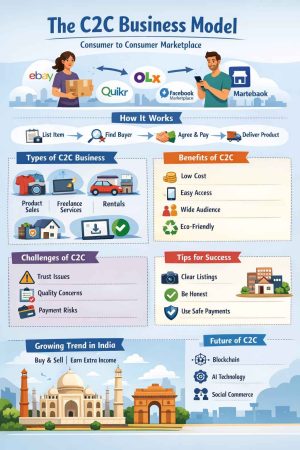
3. Consumer to Consumer (C2C)
Individuals buy online or sell products to each other.
4. Consumer to Business (C2B)
Individuals provide services to businesses.
Popular E-Commerce Platforms
Some of the most successful ecommerce platforms include:
- amazon online shopping – A global leader among best online shopping sites
- ajio online store – Popular for fashion and lifestyle products
- Flipkart – One of the best shopping apps in India
- Shopify – Helps businesses build ecommerce stores
These platforms attract customers with best deals today, smooth checkout, and multiple payment options like cash on delivery.
Advantages of E-Commerce Business
1. Global Reach
Ecommerce allows businesses to buy online and sell products worldwide.
2. Low Startup Cost
Starting an ecommerce business requires less investment compared to physical stores.
3. 24/7 Availability
Customers can shop now anytime without restrictions.
4. Convenience
Using shopping apps, users can easily explore products and buy now instantly.
5. Higher Conversion Opportunities
Strategies like conversion rate optimization help businesses turn visitors into buyers.
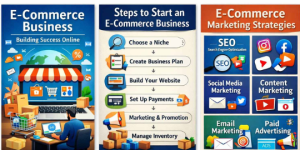
Steps to Start an E-Commerce Business
1. Choose a Niche
Select products that are in demand in online shopping markets.
2. Create a Business Plan
Define your target audience and marketing strategy.
3. Select a Platform
Use best online shopping sites or create your own ecommerce store.
4. Build Your Website
Make it user-friendly to encourage users to buy now.
5. Add Payment Options
Include cash on delivery and buy now pay later for better conversion.
6. Start Marketing
Promote products through shopping apps and digital platforms.
Marketing Strategies for E-Commerce
1. Search Engine Optimization (SEO)
Use keywords like ecommerce, buy online, and best shopping apps to rank higher.
2. Social Media Marketing
Promote products and encourage users to shop now.
3. Content Marketing
Create blogs targeting best online shopping sites and deals.
4. Email Marketing
Send updates about best deals today and offers.
5. Conversion Rate Optimization
Improve website design and checkout process to increase buy now actions.
Challenges in E-Commerce Business
- High competition among best shopping apps
- Customer trust issues in online shopping
- Logistics and delivery challenges
- Managing returns and refunds
- Dependence on technology
To succeed, businesses must focus on customer experience and conversion rate optimization.
Role of Technology in E-Commerce
Technology plays a major role in ecommerce success:
- AI improves product recommendations
- Mobile-friendly shopping apps increase sales
- Automation helps manage orders
- Data analytics supports conversion rate optimization
Platforms like amazon online shopping use advanced technology to deliver a smooth experience.
Future of E-Commerce
The future of ecommerce is driven by innovation:
- Growth of shopping apps and mobile commerce
- Increasing use of buy now pay later options
- Rising popularity of best online shopping sites
- Better user experience through AI and automation
Businesses offering best deals today and easy checkout options like cash on delivery will dominate the market.
Conclusion
Ecommerce is one of the fastest-growing industries in the digital world. With platforms like amazon online shopping and ajio online store, customers can easily buy online, explore products, and shop now with convenience.
For students and entrepreneurs, ecommerce provides huge opportunities. By using strategies like conversion rate optimization, offering buy now pay later, and promoting through best shopping apps, anyone can build a successful online business.
The future of online shopping is bright—start your ecommerce journey today and take advantage of the growing digital marketplace.